
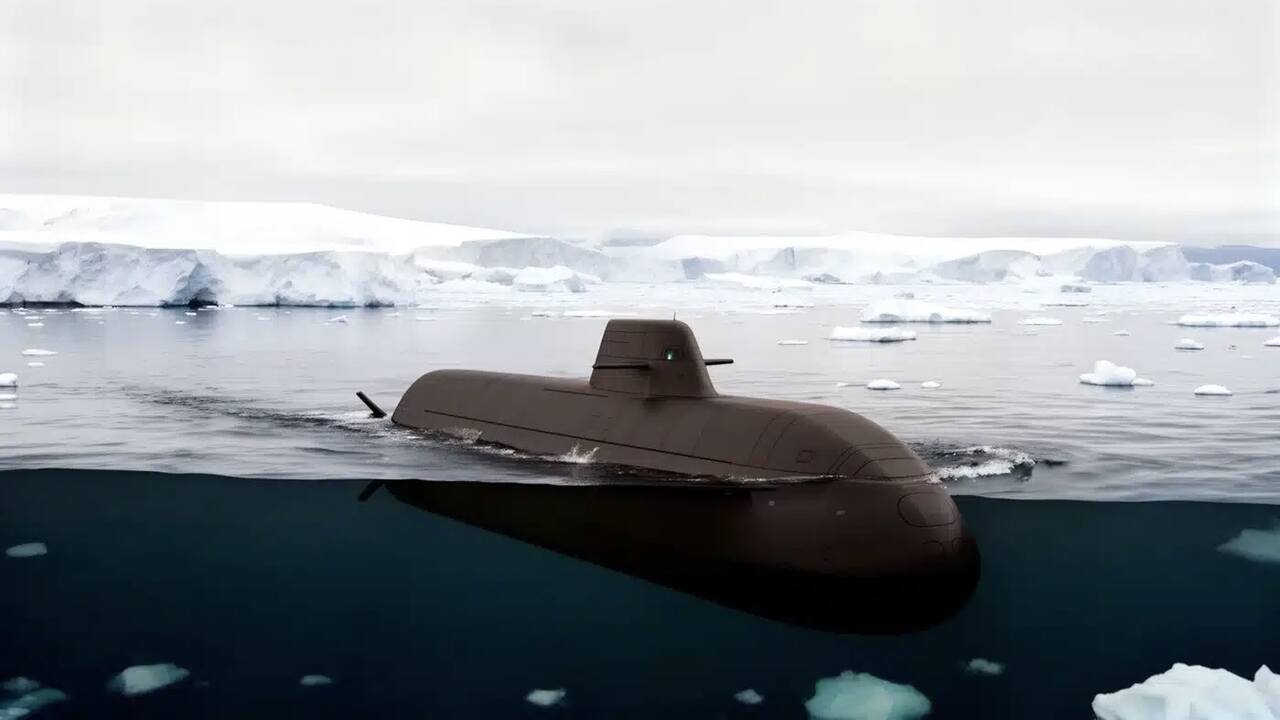
Germany and Norway have intensified their campaign to convince Canada to select the Type 212CD submarine for the Canadian Patrol Submarine Project (CPSP), a competition valued at approximately CAD 60 billion aimed at replacing the current Victoria-class fleet.
In an interview with CBC News on Wednesday (27), German Defense Minister Boris Pistorius presented the proposal as much more than a simple submarine sale, describing it as a long-term strategic partnership among the three countries.
According to Pistorius, if Canada chooses the Type 212CD, the three nations could operate an integrated framework for training, logistics, maintenance, and modernization for up to 40 or 50 years. The minister stated that the proposal would create an unprecedented level of military cooperation in the North Atlantic and the Arctic, regions that are increasingly considered strategic for NATO.
One of Germany’s main arguments is the possibility of accelerating deliveries. Berlin and Oslo said they are willing to give up production slots already reserved in their own manufacturing lines to ensure Canada receives four submarines before the gradual retirement of the Victoria class, which is expected to begin in the mid-2030s.
The offer is part of broader efforts to meet the economic offset requirements imposed by Canada on bidders in the program. It also seeks to counter one of the biggest advantages of South Korean competitor Hanwha Ocean, which promises similarly rapid delivery schedules for its KSS-III submarine.
Germany and Norway have already ordered 12 Type 212CD submarines under their joint program. If Canada acquires up to 12 units, as envisioned under the CPSP, the combined fleet of the three countries could reach 24 submarines of the same model, forming one of NATO’s largest integrated conventional submarine forces.
+ US Army Expands Freedom Eagle-1 Production to Counter Aerial Threats
Photo: TKMS. This content was created with the assistance of AI and reviewed by the editorial team.
